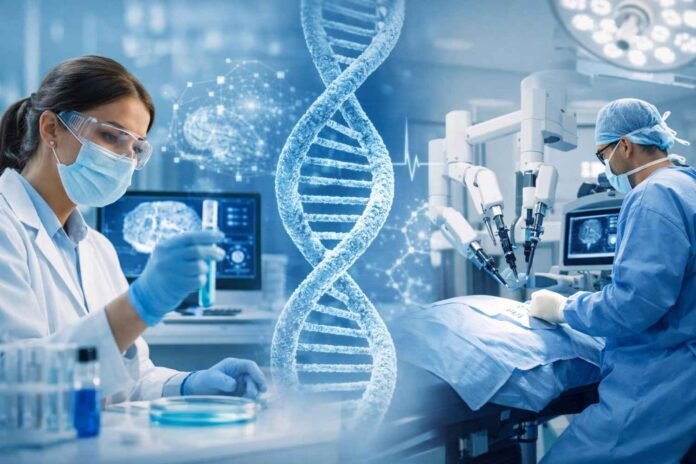
Medicine is entering one of the most transformative eras in human history. Diseases that once guaranteed suffering—or death—are now being prevented, managed, or even cured thanks to groundbreaking medical advances. From revolutionary gene therapies to artificial intelligence-powered diagnostics, these innovations are not just extending life expectancy; they are fundamentally redefining what is possible in healthcare.
Below, we explore the most impactful medical advances that could save millions of lives worldwide, focusing on real-world applications, scalability, and long-term global impact.
1. mRNA Technology Beyond Vaccines
The global response to COVID-19 introduced the world to mRNA vaccines, but their potential extends far beyond infectious disease prevention.
Why It Matters
mRNA technology allows scientists to “teach” the body how to fight disease without using live pathogens. This flexibility makes it one of the most powerful platforms in modern medicine.
Life-Saving Applications
- Cancer vaccines customized to a patient’s tumor profile.
- Rapid-response vaccines for future pandemics
- Treatment of rare genetic disorders previously considered incurable
mRNA therapies can be developed faster and adapted more easily than traditional drugs, offering hope for millions affected by cancer, HIV, and autoimmune diseases.
2. Gene Editing and CRISPR Breakthroughs
Gene-editing technologies, particularly CRISPR-Cas9, are transforming how we treat inherited diseases at their root cause.
What Makes CRISPR Revolutionary?
Instead of managing symptoms, CRISPR allows doctors to correct faulty genes directly, potentially curing diseases permanently.
Conditions Being Targeted
- Sickle cell disease
- Certain forms of blindness
- Muscular dystrophy
- Inherited immune disorders
As safety and accessibility improve, gene editing could eliminate entire categories of genetic disease—saving countless lives across generations.
3. Artificial Intelligence in Early Disease Detection
One of the biggest challenges in medicine is diagnosing diseases early enough to treat them effectively. Artificial intelligence is changing that.
How AI Saves Lives
AI systems can analyze medical images, lab results, and patient data with extraordinary precision—often identifying patterns invisible to the human eye.
Real-World Impact
- Detecting cancer at earlier, more treatable stages
- Predicting heart attacks and strokes before symptoms appear
- Reducing diagnostic errors in emergency settings
Earlier diagnosis means earlier treatment, which directly translates into higher survival rates.
4. Personalized and Precision Medicine
The “one-size-fits-all” approach to medicine is quickly becoming out of style.
What Is Precision Medicine?
It tailors treatment based on an individual’s genetics, lifestyle, and environment—ensuring patients receive therapies that work best for them.
Why It Saves Millions
- Fewer adverse drug reactions
- Higher treatment success rates
- More effective cancer therapies
Precision medicine improves outcomes while reducing unnecessary treatments, making healthcare safer and more efficient worldwide.
5. Regenerative Medicine and Stem Cell Therapy
Regenerative medicine seeks to replace or repair damaged tissues and organs when traditional therapies fail.
Breakthrough Uses
- Growing lab-based organs for transplantation
- Repairing spinal cord injuries
- Reversing heart damage after heart attacks
With organ shortages causing thousands of deaths annually, regenerative medicine could become one of the most significant life-saving advances of the century.
6. Wearable Health Technology and Remote Monitoring
Healthcare is no longer confined to hospitals.
How Wearables Are Changing Medicine
Smartwatches and biosensors now track heart rhythms, blood oxygen levels, sleep quality, and more—continuously and in real time.
Life-Saving Benefits
- Early detection of heart arrhythmias
- Improved diabetes management
- Faster intervention during medical emergencies
Remote monitoring is especially impactful in rural and underserved regions, where access to doctors is limited.
7. Advances in Antibiotics and Antimicrobial Resistance
One of the biggest concerns for global health is antibiotic resistance. New solutions are urgently needed.
Promising Developments
- Next-generation antibiotics
- Phage therapy (using viruses to kill bacteria)
- AI-designed antimicrobial compounds
These advances could prevent common infections from becoming deadly again, saving millions of lives each year.
8. Minimally Invasive and Robotic Surgery
Surgical innovation is reducing risk, pain, and recovery time for patients worldwide.
Why This Matters
Robotic-assisted and minimally invasive procedures result in:
- Lower infection rates
- Shorter hospital stays
- Faster recovery
For older and high-risk patients who might not be able to handle conventional surgery, these advancements are especially life-saving.
The Global Impact of These Medical Advances
What makes these medical advances truly powerful is their scalability. When paired with policy reform, global funding, and equitable access, they can dramatically reduce mortality rates across both developed and developing nations.
The future of medicine is not just about treating illness—it’s about preventing disease, personalizing care, and extending healthy human life.
Final Thoughts
The medical advances highlighted above are not distant science fiction. Many are already in use, while others are rapidly approaching widespread adoption. Together, they represent a turning point in human health—one where millions of lives can be saved through innovation, collaboration, and ethical implementation.
As research accelerates and technology becomes more accessible, these breakthroughs will continue to reshape global healthcare—offering hope where none once existed.